NATO’s First Counter-UAV Drills in Latvia: NATO Air Defense Upgrade Accelerated

News 2026-03-26

From March 9 to 13, 2026, NATO completed a landmark testing exercise at the Ādaži Military Training Area in Latvia – the first official Test, Evaluation, Validation and Verification (TEVV) activity for unmanned systems and Counter-UAV technologies since the establishment of NATO’s Unmanned Systems Innovation Test Range. Defense industry enterprises, operational user representatives and government officials from NATO member states and Ukraine participated in the event. This activity marks an important milestone in NATO’s systematic process of accelerating the development of Counter-UAV capabilities.
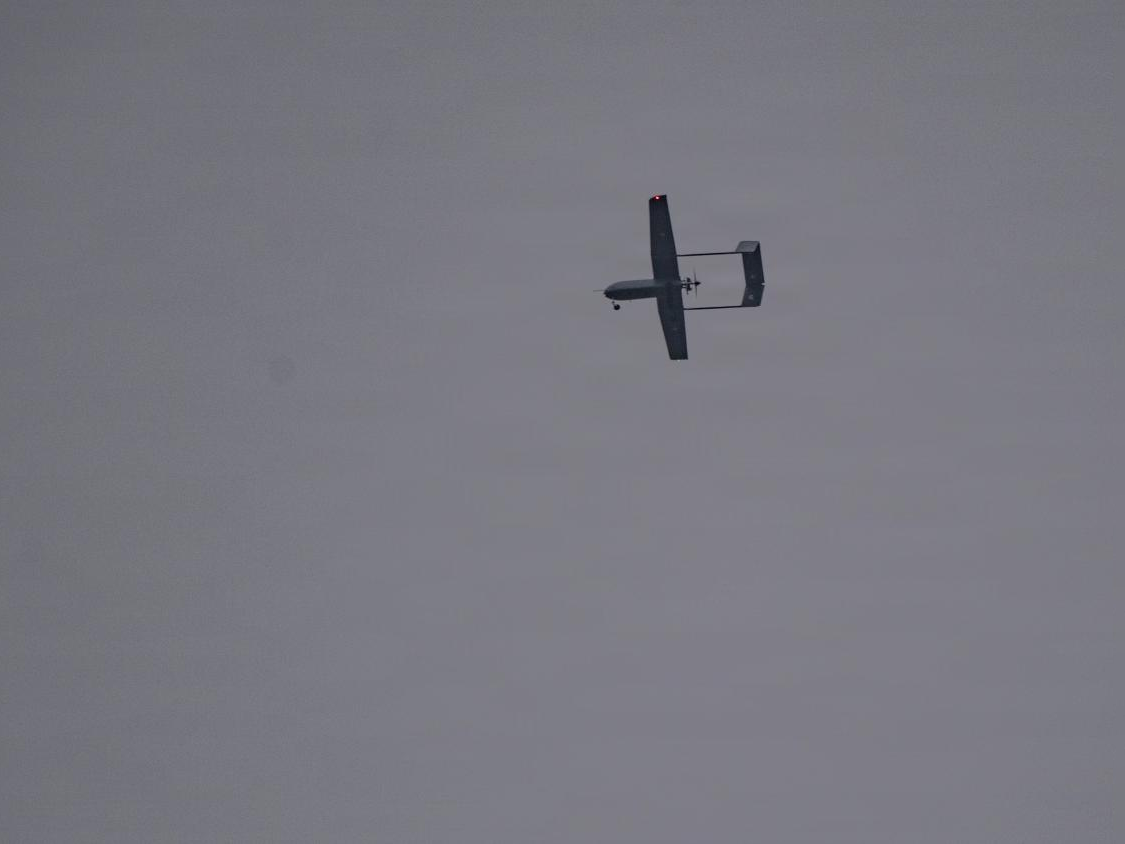

The Unmanned Systems Innovation Test Range in Latvia is one of five pilot test ranges established under the framework of NATO’s Rapid Adoption Action Plan (RAAP). The core objective of the plan is to accelerate the transformation of innovative technologies from the laboratory to operational capabilities and shorten the cycle from technological maturity to official procurement by building specialized testing infrastructure.

Compared with other test ranges under the same NATO framework, the Latvia test range has a highly focused positioning: it is dedicated to the full-dimensional testing of Unmanned Aerial Systems (UAS) and Counter-Unmanned Aerial Systems (C-UAS). Its site conditions have undergone specialized evaluation and certification, enabling it to support the flight of high-speed, high-altitude interceptors and allow the testing of various electronic warfare solutions in an open environment – two capabilities that are crucial for evaluating the real performance of Counter-UAV technologies, as the performance of many jamming and interception technologies in a controlled laboratory environment differs significantly from that in real field conditions.

A highly notable detail of this testing exercise is the participation of Ukrainian defense industry enterprises.

Ukraine is the region with the most intensive practical application of UAVs and practical Counter-UAV confrontations in the world today. Since 2022, this battlefield has become the world’s largest “test bed” for UAV technology – various low-cost attack UAVs, reconnaissance-strike integrated UAVs, and electronic jamming systems have undergone continuous testing under real combat conditions, generating combat data that no simulated test can replicate.

Involving Ukrainian enterprises in NATO test range drills means that first-hand experience accumulated on the battlefield will flow directly into NATO’s technical evaluation system and become an important input for the alliance’s Counter-UAV capability development. This is a two-way value exchange: NATO provides a standardized testing platform and a multinational coordination framework, while Ukraine offers battle-tested technical insights and improvement requirements. The combination of the two will help significantly shorten the path of technology from proof of concept to actual deployment.

The TEVV activity covered two core areas of testing.

First, interception capability testing: verifying the detection accuracy, tracking stability and physical interception success rate of various UAV interception systems under high-speed and high-altitude conditions, and evaluating their reliability under different climatic and environmental conditions.

Second, electronic warfare solution testing: conducting real-condition tests on soft kill means such as signal jamming, GPS spoofing and communication link suppression in an open field environment, evaluating their effectiveness against different types of UAVs, as well as the degree of interference they cause to surrounding civilian communication and navigation systems – the latter being a key constraint that electronic countermeasure technologies must address in actual deployment.

In accordance with NATO’s plan, the next TEVV activity at the Latvia test range will be held during the International UAV Summit in Riga on May 27, 2026. The arrangement of simultaneous testing during the summit will provide more observers from the industrial and policy sectors with direct access to the progress of the tests, helping to accelerate the transformation of technical evaluation results into procurement decisions.

From a broader perspective, this testing exercise takes place against the backdrop of a significant rise in UAV threats in Europe and around the world.

In recent years, there have been frequent “grey zone” incidents involving UAVs in Europe – unauthorized flights and reconnaissance activities targeting airports, critical infrastructure and military facilities have continued to increase, and some incidents have been identified as having clear intelligence-gathering or harassment intentions. NATO member states have generally recognized that the existing air defense system has obvious shortcomings in responding to low, slow and small targets, which urgently need to be addressed through systematic investment.

The establishment of the Latvia test range and the launch of this drill are concrete measures taken by NATO to address this threat at the systemic level. By building a standardized testing platform, engaging multinational industrial partners and integrating battle-tested experience inputs, NATO is attempting to construct a sustainable operational mechanism for the development of Counter-UAV capabilities – rather than relying solely on the unilateral investment of individual member states.

The advancement of this path will have a far-reaching impact on the European defense industry landscape and the NATO alliance’s overall low-altitude defense capabilities.