China Holds 65% of Global Counter-UAV Patents: A Silent Tech Race

News 2026-03-26
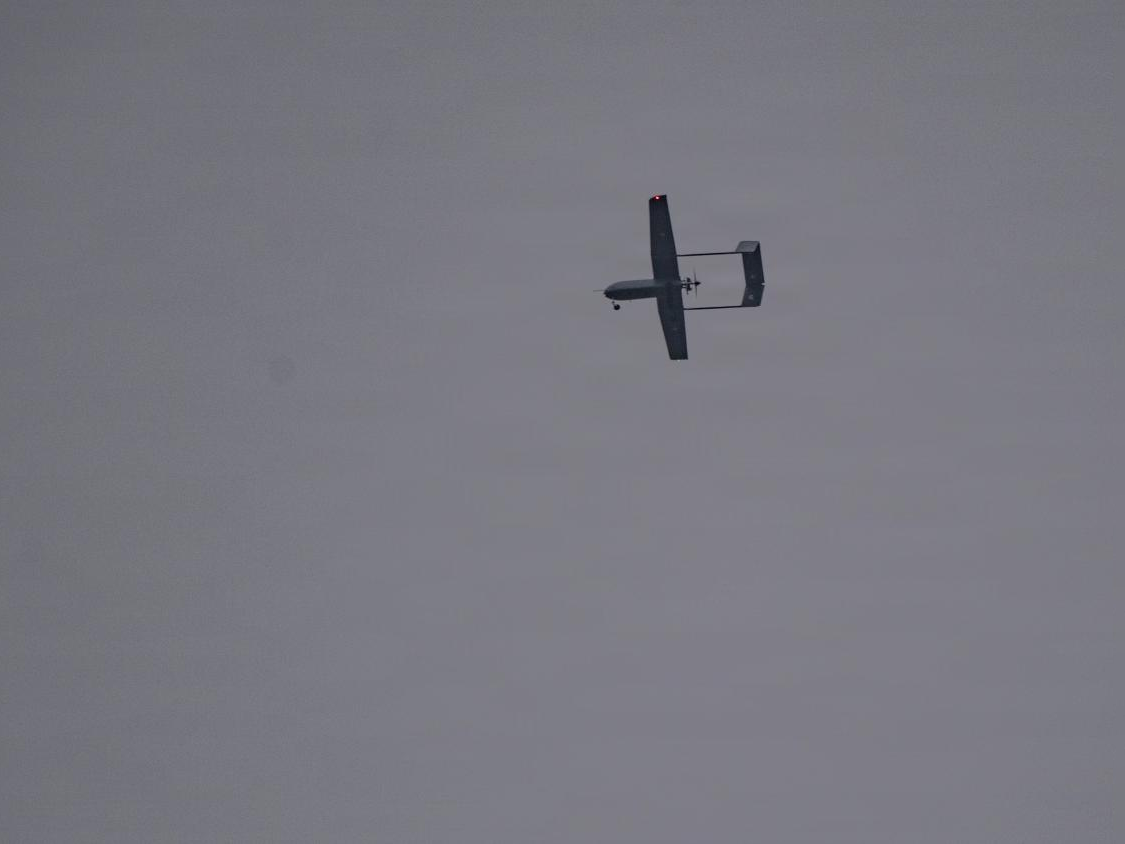
The latest industry data reveals a thought-provoking set of figures: in the past year ending March 2025, the global number of patent filings for Counter-Unmanned Aerial Vehicle (Counter-UAV) technology rose by 27% year-on-year, from 99 to 126. Of these 126 patents, China alone contributed 82, accounting for approximately 65% of the global total. The United States ranked second with 22 patents, and South Korea came in third.
Compiled and released by a professional intellectual property analysis institution, the data garnered widespread attention after being reported by the industry media DroneLife on March 23, 2026. Behind the numbers lie profound shifts in the landscape of the global Counter-UAV technological race and an emerging main line of technological evolution that is taking shape quietly.

The 82 patents filed by China are highly concentrated in three fields: signal jamming and suppression technology (49%), laser directed energy weapons (39%), and microwave directed energy systems (24%).

These three areas share a common attribute: they are all non-kinetic means. Different from traditional physical strike methods such as missile interception and the combination of artillery and missiles, signal jamming severs the communication link between a UAV and its operator or disrupts GPS navigation signals, rendering the UAV “out of control”; laser weapons use high-energy beams to directly burn out the electronic components or structural parts of UAVs; and high-power microwaves damage the electronic systems of targets through electromagnetic pulses. The rise of this technological route has a clear practical logic.

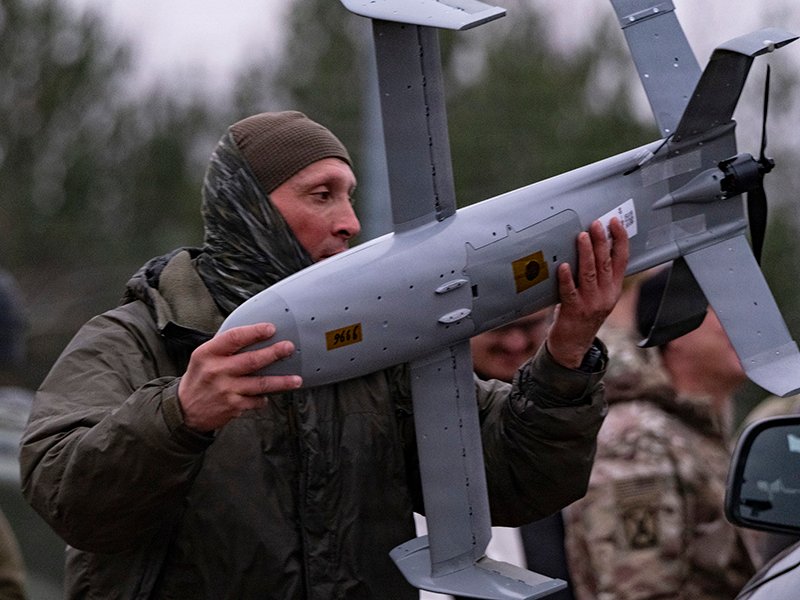
Over the past few years, the conflict in Ukraine has provided an unprecedented wealth of combat data for the development of global Counter-UAV technology. Battlefield records have repeatedly proven a harsh reality: shooting down low-cost UAVs with expensive missiles is a losing war of attrition. The cost of a commercially modified attack UAV may be only a few hundred to several thousand US dollars, while the procurement cost of a standard air defense missile often runs into hundreds of thousands or even millions of US dollars. When an adversary can deploy dozens or even hundreds of UAVs in a “swarm” formation, a defense system relying solely on kinetic interception will quickly exhaust its ammunition stockpiles and be left unable to respond.

This lesson has directly driven strategic adjustments in Counter-UAV research and development across countries – shifting from “shooting it down” to “rendering it out of control”, and from disposable munitions to reusable energy weapons and electronic countermeasure systems. Signal jamming, lasers, and microwaves are precisely the core technological pillars of this shift.

China’s lead in Counter-UAV patents is no accident.
From a civilian perspective, China is the world’s largest manufacturer of UAVs, with enterprises such as DJI dominating the global consumer and industrial UAV markets. A deep understanding of UAV technical architectures naturally facilitates the development of targeted countermeasures – the logic of “knowing oneself and one’s enemy” is embodied here in the most direct way.

From a military perspective, as the role of UAVs in modern warfare rises rapidly, China has integrated Counter-UAV capabilities into its systematic military modernization plan. R&D investment in laser weapons, high-power microwave systems, and electronic jamming equipment has been continuously increased, and multiple types of systems have been publicly displayed on record.

However, an advantage in the number of patents does not directly translate into a lead in operational deployment. This is a crucial caveat to bear in mind when interpreting these figures.

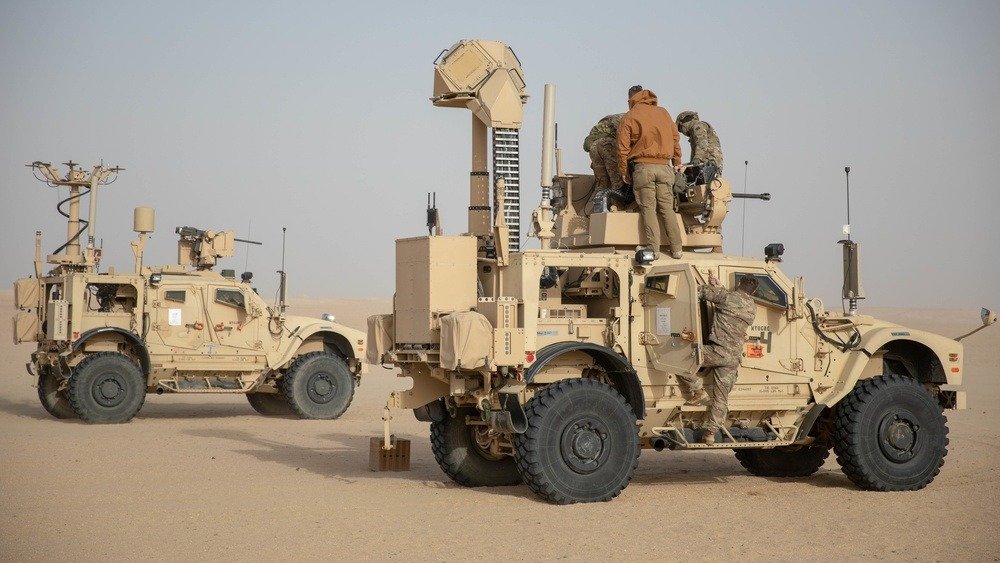
In the United States, companies such as Dedrone, Anduril Industries, and DroneShield, despite having a relatively limited number of patents, have accumulated extensive practical deployment experience in real combat and security scenarios. A US military contract worth 870 million US dollars, deployments for World Cup security, and joint tests with NATO allies have continuously provided American companies with combat data and opportunities for iteration – and such “scenario accumulation” is often more commercially and militarily valuable than patent texts themselves.

Patents represent the breadth and depth of technological reserves; operational deployment represents technological maturity and credibility. China has established a significant advantage in the former, but still has a considerable way to go in the international application and commercial validation of the latter.

The 27% surge in global Counter-UAV patents is in itself a sign of the times – it indicates that UAV threats, both in the military and civilian security fields, have been regarded by major countries worldwide as a strategic challenge requiring a systematic response. With a 65% share of global patents, China has demonstrated its high level of investment and strategic emphasis in this technological race.

This competition is not just about who files more patents, but about who can more quickly transform technology into reliable, usable, and scalable operational capabilities. The key to the next phase will lie in how R&D accumulations are converted into combat effectiveness.