Neutralizing Modern VTOL Threats – The Bayraktar Kalkan (K2) Challenge
Case 2026-04-11
1.Understanding the Target: Key Features of K2 (Kalkan)
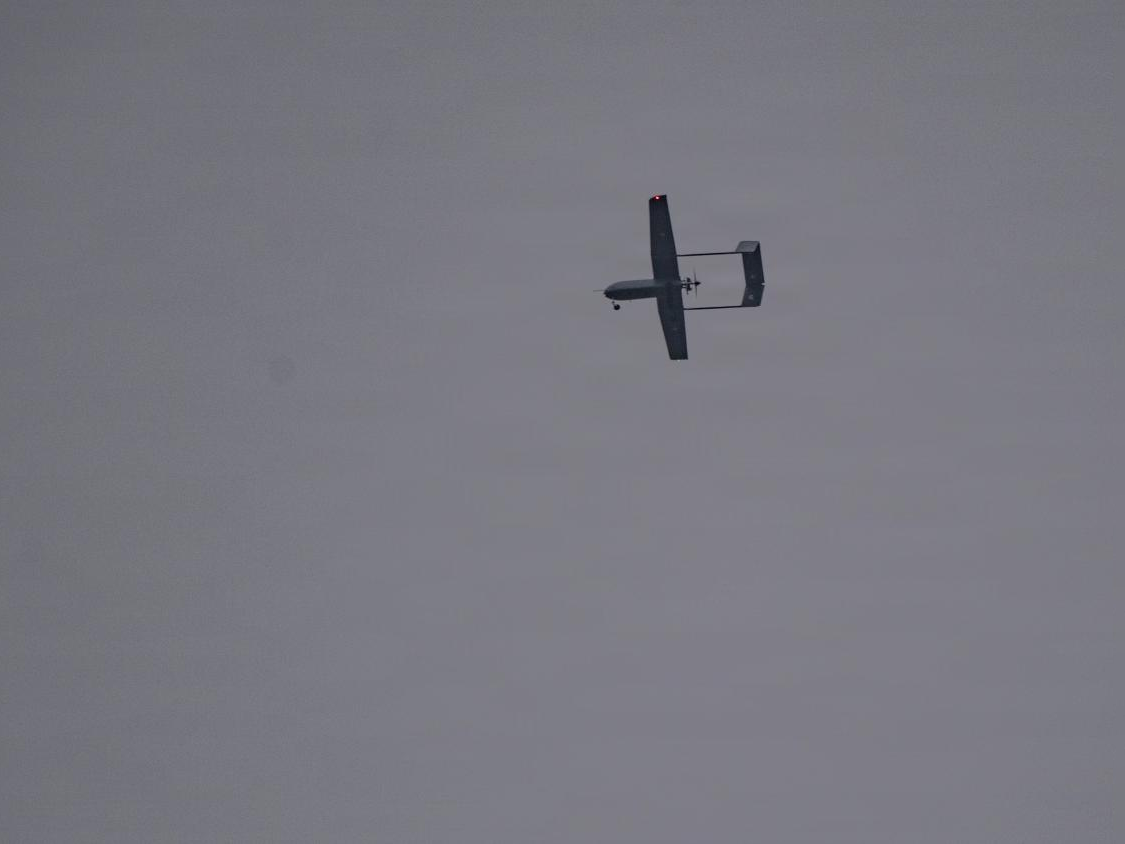
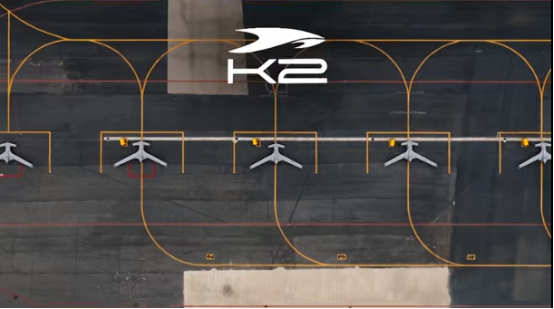
The Bayraktar Kalkan (K2) represents the next generation of tactical UAVs. Its primary characteristics include:
VTOL Capability: Vertical Take-off and Landing allows it to operate from confined spaces without runways.
High Maneuverability: Ideal for low-altitude reconnaissance and rapid deployment in complex terrains.
Advanced ISR Sensors: Equipped with thermal cameras and laser rangefinders for precise target acquisition.
2.Tactical Deployment Scenarios
K2 is typically deployed for Border Surveillance, Forward Base Protection, and Maritime Reconnaissance. Its ability to hover and “pop up” from behind obstacles makes it a difficult target for conventional, slow-scanning radar systems.
3.The Counter-Strategy: How to Neutralize the K2 Threat
To effectively counter a high-agility VTOL like the K2, a multi-layered defense is required:
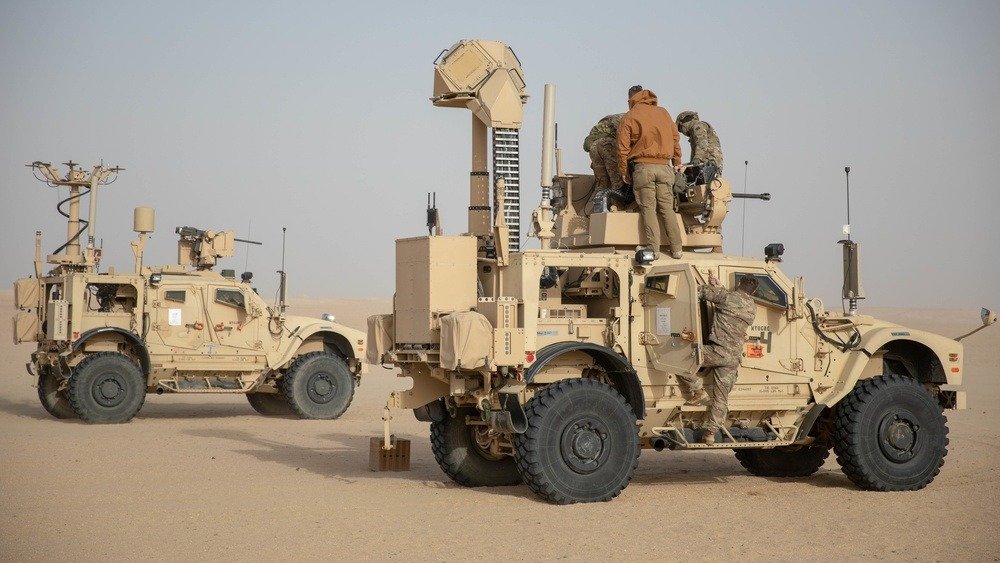
3.1Early Detection with DBF Radar (RDX10A-GTC): Standard radars may lose track of VTOLs during transitions. Our RDX10A-GTC, powered by Digital Beamforming (DBF), provides a continuous 3D track. With a 10km detection range for small UAVs, we identify the K2 long before it enters its ISR sensor range.
3.2Precision Disruption via GNSS Spoofing: VTOL drones rely heavily on GPS/GNSS for stable hovering and navigation. Our Navigation Spoofing System can feed the K2 false coordinate data, forcing it to drift away from the protected area or land safely in a pre-defined “capture zone.”
3.3Anti-Swarm Protocol: Should multiple K2 units be deployed as a swarm, our system’s 500+ target capacity ensures no threat goes unnoticed, providing a complete “Detect-to-Defeat” workflow.