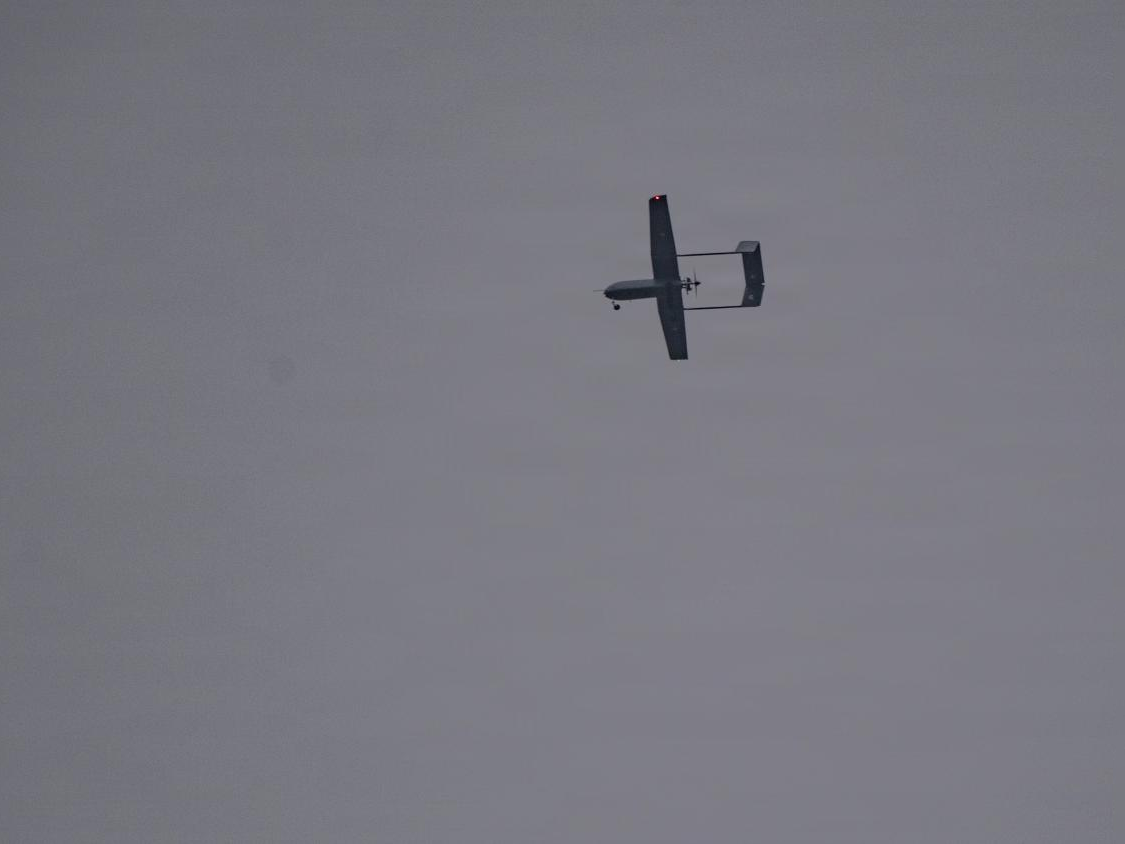
US New Counter-UAV Systems Full Analysis: M-LIDS, Coyote Block 3, Leonidas & LOCUST X3
News 2026-04-25
Introduction: Low-Altitude Game Has Redefined Modern Warfare
In recent regional conflicts and global security incidents, low-cost small UAVs and drone swarms have become the most challenging asymmetric threat. Traditional air defense missiles are extremely expensive, resulting in a serious cost imbalance: thousands of dollars of interception weapons are used to strike civilian drones worth only hundreds of dollars.
To break this deadlock, the U.S. military has launched four new-generation counter-UAV systems in recent years, covering kinetic interception, electronic warfare, laser weapons and high-power microwave solutions. These products build a complete layered low-altitude defense system and lead the future development direction of global counter-drone technology.
This article will conduct an in-depth professional analysis of the following mainstream equipment with official public parameters:
- M-LIDS Mobile Short-Range Air Defense System
- Coyote Block 3 Reusable Non-Kinetic Loitering Munition
- Epirus Leonidas High-Power Microwave Anti-Swarm System
- LOCUST X3 Low-Cost Laser Counter-UAV Weapon
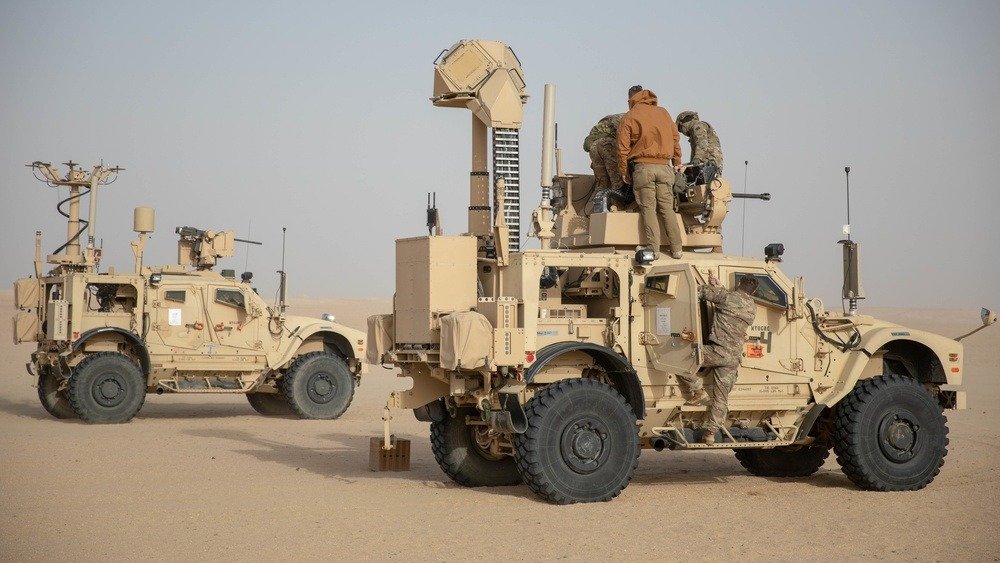
1. M-LIDS|Mobile Short-Range Air Defense System
Core Key Parameters
- Carrier Platform: Stryker 8×8 armored vehicle
- Main Weapon: 30mm XM914 automatic cannon, effective range 2km
- Directed Energy Weapon: 26kW solid-state laser
- Auxiliary Strike: 70mm laser-guided rocket
- Main Target: Low-altitude UAVs, helicopters and loitering munitions
- Deployment Mode: Combat troop accompanying air defense
Working Principle
M-LIDS adopts a hybrid defense strategy combining hard kill and soft kill. It detects and locks low-altitude targets through integrated radar and optoelectronic sensors. Short-distance targets are destroyed by 30mm artillery, medium-range threats are suppressed by laser burning, and long-distance leakage targets are eliminated by guided rockets to achieve full-range coverage.
Advantages
- All-weather combat capability, less affected by harsh weather
- Strong battlefield mobility, adaptable to field operations
- Multi-directional target detection and multi-target interception capability
Disadvantages
- Limited laser power, weak defense against medium and large UAVs
- High collateral damage, not suitable for densely populated urban areas
- High comprehensive integration cost
Application Scenarios
Frontline military positions, armored convoy escort, logistics hub protection, field key area air defense and border outpost low-altitude early warning.
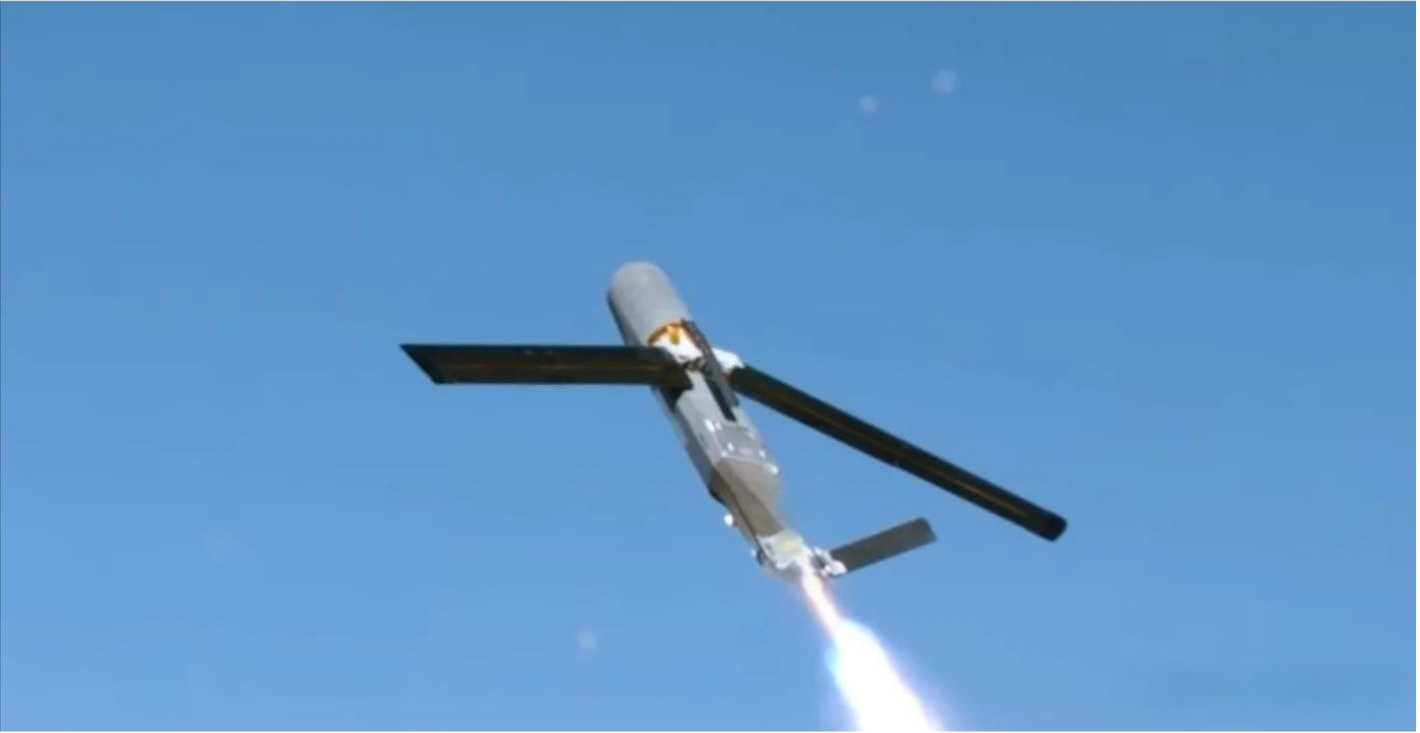
2. Coyote Block 3|Reusable Anti-Drone Loitering Munition
Core Key Parameters
- Developer: RTX Raytheon
- Combat Type: Non-kinetic electronic warfare & HPM attack
- Endurance Time: More than 60 minutes
- Core Payload: High-power microwave jamming module
- Reusability: Net recovery design, reusable over 10 times
- Swarm Interception: Deal with more than 10 UAVs in a single mission
Working Principle
Coyote Block 3 takes off and cruises in the designated airspace for a long time. After automatically identifying enemy drone swarms, it releases high-power microwave pulses to burn on-board circuits, flight control and navigation systems, realizing non-destructive soft kill. The equipment can be recycled after the mission to reduce long-term operating costs.
Advantages
- Powerful anti-swarm capability to cope with saturated attacks
- Recyclable and reusable, greatly reducing interception costs
- Low explosion risk and low collateral damage
- Long-duration air patrol to realize 24-hour airspace management
Disadvantages
- Restricted by battlefield electronic countermeasure environment
- High single procurement cost
- Unable to form effective hard damage to heavy military equipment
Application Scenarios
Urban key facility security, residential area low-altitude control, military camp airspace protection, port and energy base anti-drone defense.
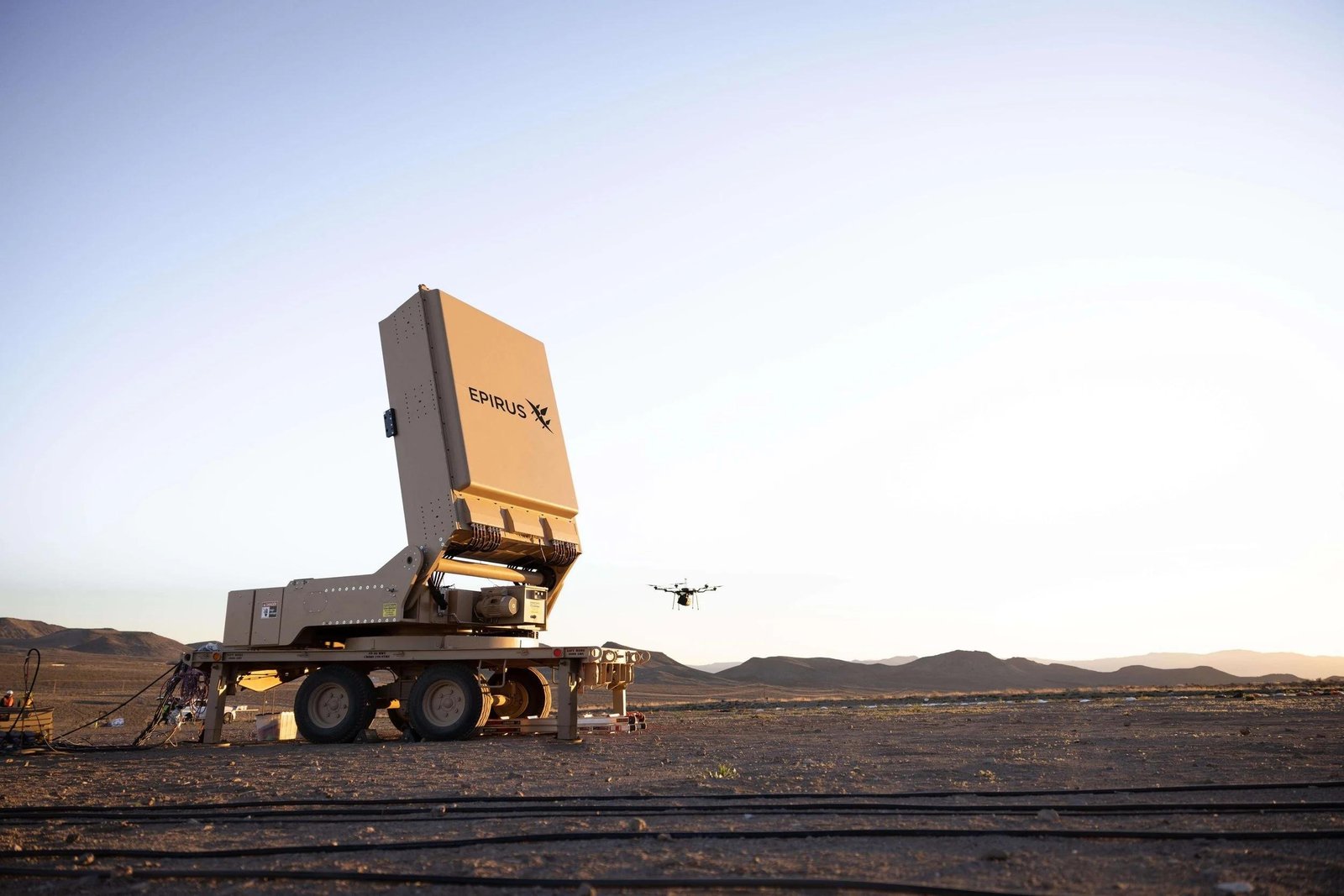
3. Leonidas|Epirus High-Power Microwave HPM System
Core Key Parameters
- R&D Enterprise: Epirus Inc, USA
- Core Technology: Software-defined solid-state high-power microwave
- Deployment Platform: F-600 truck, trailer and fixed base
- Effective Range: 1-2km (second-generation upgraded)
- Killing Mechanism: Directional microwave pulse burns electronic components
- Super Multi-Target: Disable over 20 drones with one emission
- Ammunition Consumption: Zero, unlimited continuous emission
Working Principle
As a representative HPM weapon, Leonidas emits high-intensity directional microwave beams. The pulse energy couples into the internal circuit of the drone through gaps and antennas, instantly generating ultra-high voltage to burn core chips such as flight control, image transmission and positioning, resulting in target loss of control and crash.
Advantages
- Leading surface damage capability, the best solution for drone swarms
- No ammunition consumption, zero cost for continuous defense
- Silent and invisible emission, with strong concealment
- Software upgradeable, no need to replace hardware
- Safe and environment-friendly, suitable for crowd gathering areas
Disadvantages
- Limited effective range, requiring forward deployment
- Slightly affected by terrain barriers and extreme weather
- Weak suppression effect on military UAVs with reinforced protection
Application Scenarios
Government building security, stadiums and urban public areas, power grid and oil energy facilities, military command centers and anti-swarm defense in densely built areas.
4. LOCUST X3|Low-Cost Laser Interception System
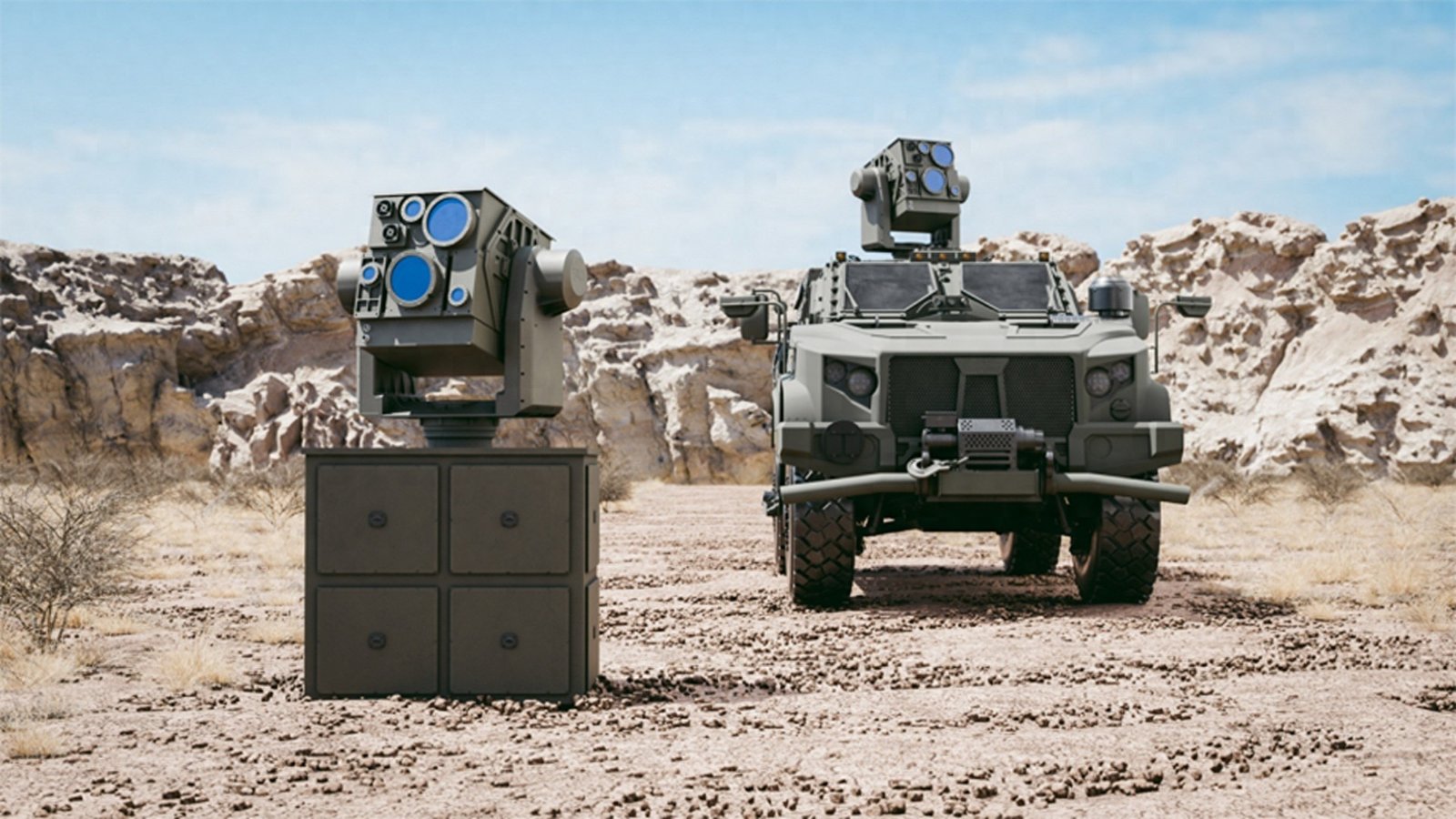
Core Key Parameters
- Laser Power: 20-35kW fiber laser
- Effective Strike Range: 3-5km
- Single Interception Cost: Less than 5 US dollars
- Response Speed: AI automatic tracking, target locking within 7 seconds
- Deployment Method: Vehicle-mounted, fixed position and ship-borne
Working Principle
The photoelectric radar captures low-altitude targets in real time, and the AI fire control system automatically tracks and aims. The high-energy laser continuously irradiates the key parts of the drone, melts the battery and fuselage structure through high temperature, and completes precise hard damage.
Advantages
- Ultra-low single interception cost, completely solving cost inversion
- Light-speed strike, fast response and high precision
- Modular design, easy installation and rapid deployment
Disadvantages
- Only for single-target interception, unable to resist swarms
- Highly dependent on weather, failed in heavy rain, fog and haze
- Limited damage to large industrial and military UAVs
Application Scenarios
Border defense, remote outpost early warning, open-area key target protection, and low-altitude defense in clear weather conditions.
5. Comparison of Four US Counter-UAV Systems
| System | Core Technology | Interception Cost | Anti-Swarm Ability | Weather Adaptability | Collateral Damage | Core Application |
| M-LIDS | Kinetic + Laser + Rocket | Medium & High | Medium | Excellent | High | Mobile field air defense |
| Coyote Block 3 | HPM Soft Kill + Reusable | Ultra-Low | Strong | Medium | Ultra-Low | Position anti-swarm defense |
| Leonidas | High Power Microwave HPM | Zero Emission | Super Strong | Medium | Ultra-Low | Urban low-altitude security |
| LOCUST X3 | High-Energy Laser Hard Kill | <5 USD | Weak | Poor | Low | Long-distance precise strike |
6. New Trends of Modern Low-Altitude Warfare
6.1 Core Threat Changes
Small UAVs, FPV drones and intelligent swarms have become the main threats in modern asymmetric warfare. Low-altitude ultra-low flight makes traditional radar detection difficult, and large-scale saturated attacks have broken through the defense limit of traditional single interception mode.
6.2 Defense Pain Points
The traditional air defense system is expensive and inefficient. The one-to-one interception model can no longer cope with swarm operations. In urban combat scenarios, explosive weapons will cause serious secondary damage to civilians and facilities.
6.3 Global Technical Development Direction
Combined with the layout of U.S. new equipment, the future counter-UAV industry presents three major trends:
- Shift from traditional kinetic hard kill to HPM microwave and electronic warfare soft kill
- From one-time consumption weapons to reusable and zero-cost defense equipment
- From single-point interception to large-area coverage anti-swarm defense
7. Effectiveness Against Fiber-Optic Controlled Drones
Most traditional counter-UAV solutions rely on RF jamming or GPS spoofing, which work well against standard radio-controlled drones but fail completely against fiber-optic (FO) UAVs.
Fiber-optic drones transmit control and video data over a thin optical cable, not radio waves. This makes them immune to RF interference, GPS jamming, and most electronic warfare (EW) tactics. They have become a critical threat in modern conflicts, especially in Ukraine, where FO‑guided FPV drones operate reliably even under heavy EW conditions.
How the Four U.S. Systems Perform Against Fiber‑Optic Drones
- M‑LIDS: Effective
Its 26 kW laser and kinetic cannons deliver hard-kill, physical destruction, regardless of control link type. It burns or shoots the airframe, battery, and motors.
- Coyote Block 3: Limited effect
Primarily designed for RF/EW soft-kill against datalinks. Since FO drones have no RF link, Coyote’s jamming has minimal impact.
- Leonidas (Epirus HPM): Highly effective
The system uses software-defined high-power microwave pulses to burn onboard electronics (flight controller, power distribution, motor drivers). It does not depend on the control link-any drone with electronic components is vulnerable. In 2025–2026 U.S. military tests, Leonidas successfully disabled fiber-optic drones in multiple scenarios.
- LOCUST X3 Laser: Effective
Laser weapons achieve precision hard-kill by melting the airframe, battery, or propulsion. The control method (RF or fiber) is irrelevant-physical damage is decisive.
Key Industry Insight
Fiber-optic UAVs mark a shift from “link-centric” to “hardware-centric” countermeasures.
High-Power Microwave (HPM) and lasers are the only mature, reliable options against this new class of threat.
8. Conclusion & Industry Insight
M‑LIDS, Coyote Block 3, Leonidas, and LOCUST X3 represent the state‑of‑the‑art in Western counter‑UAV technology, each with clear scenario positioning covering field operations, urban security, precision strike, and swarm confrontation.
As low-altitude threats escalate-including RF-immune fiber-optic drones-high-power microwave technology (led by Leonidas) and directed energy lasers have become the core development path for short‑range air defense and civil low‑altitude management. For security enterprises and defense departments, diversified, layered defense solutions combining HPM, laser, and kinetic interceptors will be the key to countering future low-altitude threats.